Give Your Junk a Second Chance with Inspiring Upcycling Techniques
Have you ever looked at items cluttering your home and wondered if they could serve a new purpose? Upcycling is the creative process of transforming waste materials, discarded products, or unwanted junk into quality, functional, and often beautiful pieces. Not only does it reduce waste, but it also encourages an eco-friendly lifestyle. In this article, we'll dive deep into inspiring upcycling techniques and provide practical tips for giving your junk a second chance, all while sprucing up your living space and helping the planet!
What is Upcycling and How Is It Different from Recycling?
Before starting your upcycling journey, it's crucial to grasp the concept and its benefits. Upcycling refers to reusing old or discarded items creatively to produce something of higher value or quality than the original. For example, turning a broken ladder into a bookshelf, or fashioning vintage suitcases into chic coffee tables.
Recycling, on the other hand, typically involves breaking down materials to make new, similar products (like melting glass to make new bottles). Upcycling minimizes the need for energy-intensive processing by simply giving junk a second life.
Why Should You Give Your Junk a Second Chance?
- Environmental Benefits: Lower landfill waste and reduce the demand for new raw materials.
- Cost-Effective Solutions: Upcycling can save you money on home decor and furniture by using what you already have.
- Unique Creations: Stand out with one-of-a-kind, personalized items that reflect your style and creativity.
- Emotional Rewards: There's immense satisfaction in transforming trash into treasure.
Getting Started: Assessing Your Junk
To embark on your upcycling journey, you must first identify the potential in everyday junk. Look for items that are:
- Sturdy and safe (even if broken or scratched)
- Made of quality materials such as wood, metal, or glass
- Interesting in shape or texture
- Items with sentimental value you'd like to preserve
Explore attics, basements, garages, or local thrift stores for objects with untapped promise. Remember, one person's trash is another's treasure!
Inspiring Upcycling Techniques: Transforming the Ordinary
1. Furniture Revamps
Old furniture is often discarded due to a few scratches, outdated colors, or broken parts. However, the transformative power of upcycling furniture is almost limitless.
- Paint and Stain: Sand down old tables, chairs, or dressers and repaint them with bold, modern colors or intricate stencils to fit contemporary aesthetics.
- New Upholstery: Give saggy sofas a facelift with fresh, vibrant fabrics for a cost-effective makeover.
- Convert and Combine: Turn a defunct wooden door into a rustic dining table or combine two chairs to create a unique bench.
Tip: Use eco-friendly paints and finishes to maintain the sustainability of your upcycling project.
2. Creative Jar and Bottle Uses
Glass jars and bottles are among the most versatile upcycling materials. Here are some inspiring ways to give them a second chance:
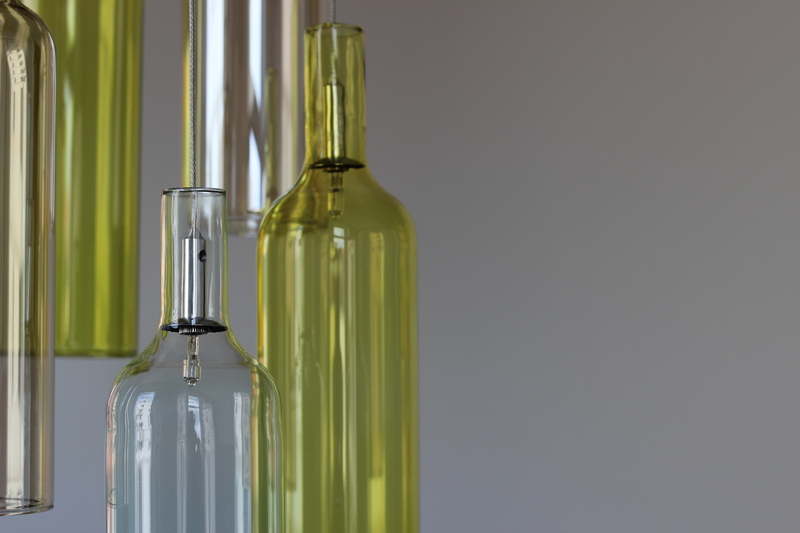
- Lamps and Lanterns: Insert fairy lights or candles to create whimsical jelly jar lamps or bottle lanterns for your patio or bedroom.
- Organizers: Keep your kitchen or office tidy by repurposing jars as organizers for spices, pens, or craft supplies.
- Planters: Turn bottles into quirky vases or hanging planters for herbs and succulents.
Enhance your upcycled jars further with glass paint, decoupage, or raffia trims for a personalized touch!
3. Upcycled Textile Magic
Don't toss out old clothes, bedsheets, or curtains! Textile upcycling not only reduces landfill waste but also provides excellent materials for creative endeavours.
- T-Shirt Quilts: Turn memorable tees into cozy quilted blankets, preserving stories woven into each shirt.
- Rag Rugs: Weave strips of old fabrics into colorful rag rugs for bathroom or hallway use.
- Reusable Bags: Convert sturdy shirts into grocery totes or drawstring bags.
- Pillow Covers: Use patterned fabric scraps to sew custom throw pillow covers.
Pro Tip: Combine different textures and patterns to create a boho-chic style that's both on-trend and eco-conscious.
4. Repurposing Electronics
Outdated or broken electronics can often be upcycled into functional or decorative objects.
- Hard Drive Clocks: Transform an old hard drive into a futuristic wall or desk clock.
- Monitor Fish Tanks: Empty CRT monitors can become unique aquariums or terrariums with a little creativity.
- Keyboard Jewelry: Old keyboard keys can be crafted into funky jewelry such as necklaces or earrings.
Always remember to safely remove hazardous components before beginning any electronics upcycling project.
5. Wooden Pallet Innovation
Wooden pallets are prized in the world of upcycling due to their rugged build and adaptability.
- Outdoor Furniture: Stack and fasten pallets to create rustic couches, lounge chairs, or even patio beds.
- Gardening Solutions: Vertical pallet gardens are perfect for urban balconies or small yards, allowing you to grow herbs and flowers in compact spaces.
- Wall Storage: Mount a pallet on your wall with hooks to organize tools, kitchen utensils, or craft supplies.
Sanding and sealing your palette projects ensures safety and durability--especially for indoor use.
Getting Crafty: Advanced Upcycling Projects for a Truly Unique Home
1. Suitcase Chairs and Tables
Vintage suitcases are brimming with character. With a few modifications, they can become quirky chairs, nightstands, or coffee tables. Attach sturdy legs to a reinforced suitcase and add cushions as necessary. For tables, a suitcase with metal fittings can be paired with elegant hairpin legs and a glass top for a sophisticated finish.
2. Wine Cork Creations
Instead of tossing wine corks, collect them for these standout upcycling ideas:
- Assemble corks into bulletin boards for your home office or kitchen
- Create intricate trivets or vibrant coasters that protect your surfaces
- Make keychains, ornaments, or DIY drawer handles
3. Bicycle Wheel Wall Art
Rusty bike wheels can become dynamic wall art, wind spinners, or even contemporary clocks. Paint them or weave colored twine through the spokes for added visual interest.
4. Repurposed Book Magic
Old books with missing pages or damaged covers can serve a new decorative or functional purpose:
- Stack and glue books to create a striking lamp base or bookshelf end
- Hollow out pages for secret storage boxes
- Convert covers into creative picture frames
Tips for Successful Upcycling: Giving Your Junk a Second Chance
- Start Simple: Begin with small projects to build confidence and skill.
- Safety First: Use proper tools and safety gear, especially when working with power tools, paint, or electronics.
- Maintain Functionality: Ensure your upcycled items are still safe and practical for their new use.
- Be Imaginative: Don't be afraid to experiment with new upcycling methods or combine unexpected materials.
- Educate Yourself: Online tutorials, classes, and upcycling blogs can help you discover new techniques and ideas.
- Share the Love: Gift or donate your creations, or sell them online to inspire a broader audience and reduce waste globally.
How Upcycling Benefits the Environment and Your Lifestyle
Upcycling offers measurable environmental and lifestyle benefits, including:
- Reducing Carbon Footprint: Less manufacturing and transportation means fewer emissions damaging the environment.
- Conserving Resources: By reusing products, less energy and raw material are required to produce new items.
- Minimizing Waste: Diverts junk from landfills, slowing the growth of the global waste crisis.
- Boosting Creativity: Fosters ingenuity, problem-solving, and pride in your living environment.
- Economic Benefits: Save money by giving your old items a new lease on life, reducing your dependence on mass-produced goods.
Supporting the Circular Economy
By embracing upcycling and giving junk a second chance, you support the circular economy--a system where resources are reused, repurposed, and given extended value. This contrasts with the traditional "take, make, dispose" model that leads to excessive waste. When you adopt upcycling techniques, you're not just improving your home; you're playing a vital part in building a sustainable future.
Where to Showcase or Sell Your Upcycled Creations
Your upcycled masterpieces should be proudly displayed. But they can also become a source of income. Here's where you can showcase or sell your work:
- Online Marketplaces: Etsy, eBay, or Facebook Marketplace are excellent platforms to find buyers who love unique, eco-friendly products.
- Craft Fairs and Flea Markets: Set up a stall at local events and connect with your community.
- Social Media: Share your creative process and finished goods on Instagram or Pinterest to inspire and attract followers.
- Home Decor Shops: Some stores love to feature artisanal or upcycled home goods--reach out with samples.
Frequently Asked Questions About Upcycling Junk
Is upcycling expensive to start?
No! Most upcycling projects require minimal investment. Use what you already own and turn to local buy-nothing groups or recycling centers for extra materials.
What tools do I need for basic upcycling?
Start with basic hand tools: hammer, screwdriver, pliers, saw, and paintbrushes. As you progress, consider investing in drills, sewing machines, or sanding equipment for more advanced techniques.
Can kids join in upcycling?
Absolutely! Supervised simple projects like decorating jars or assembling cork coasters make upcycling a fun, educational activity for kids.
How do I get design inspiration?
Browse Pinterest, follow upcycling blogs, or join social media groups dedicated to DIY and sustainable living. Sometimes the best inspiration comes from looking at your junk with a fresh perspective!
Conclusion: Embrace the Art of Upcycling and Give Junk a Second Chance
Giving your junk a second chance through upcycling techniques is not just a trend--it's a way to contribute positively to the environment, save money, and unearth untapped creativity. Whether you're giving new purpose to old furniture, reinventing glass bottles, weaving worn fabrics, or crafting innovative art from electronics, upcycling challenges you to see the potential in the unexpected.
So, the next time you consider throwing something away, pause and ask: How can I upcycle this junk into something inspiring and useful? Your answer may not only breathe new life into forgotten items but also spark a passion that benefits both your home and the planet.
Start today--transform your home, help the Earth, and discover a deeper appreciation for the value of everything around you!
