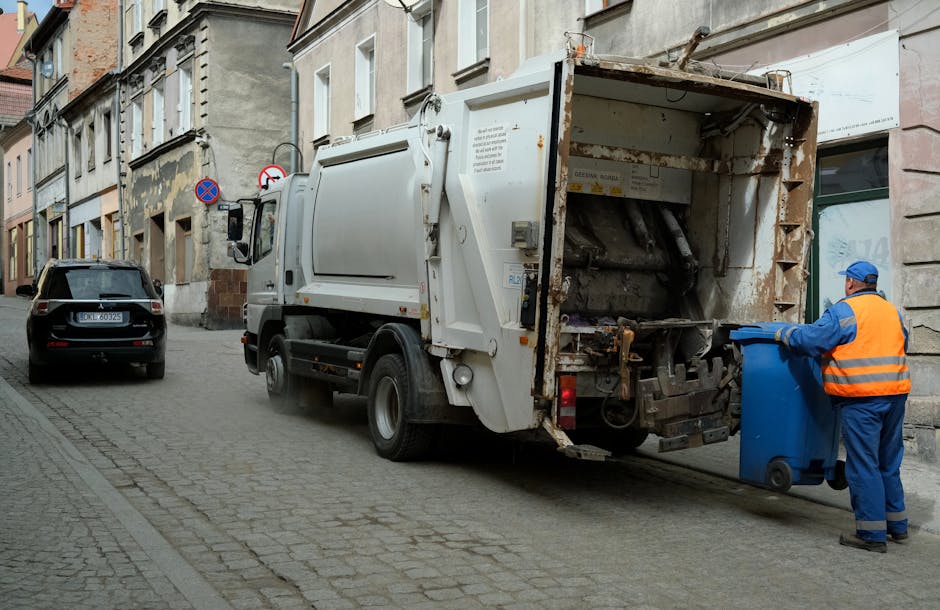
Old Brompton Road rubbish collection guide for flats

If you live in a flat on Old Brompton Road, rubbish collection can feel simple right up until the moment a bulky bag, old sofa, broken appliance, or awkwardly placed bin gets involved. Suddenly, the question is not just "what goes out when?" but "how do I get it out safely, neatly, and without annoying the neighbours?" This Old Brompton Road rubbish collection guide for flats walks you through the practical side of waste handling in apartment buildings, from everyday refuse to one-off clearances. It is written for real life: narrow hallways, shared entrances, time windows, lift access, and the usual London juggling act.
Whether you manage a rented flat, own a pied-a-terre, or look after a block with shared bins, the aim here is to help you reduce mess, avoid mistakes, and choose the right disposal route. And yes, there is a better way than leaving a chair by the bins and hoping for the best.
Why Old Brompton Road rubbish collection guide for flats Matters
Old Brompton Road sits in a busy part of London where flats often share bin stores, tight access points, and strict expectations around tidiness. That mix creates a few predictable problems. Bags get left in corridors. Recycling ends up mixed with general waste. Bulky items linger in communal areas because no one wants to be the person who drags them out. In a building with multiple households, one small mistake can turn into a building-wide nuisance very quickly.
Truth be told, flat rubbish collection is less about "throwing things away" and more about coordination. Someone needs to know what goes where, when it goes out, and who is responsible if the item is too large for normal collection. For residents on or near Old Brompton Road, this matters even more because space is precious and shared areas can't absorb clutter for long.
It also matters for hygiene and safety. Overflowing bins attract pests, create odours, and make communal entrances feel shabby. Nobody wants to walk past a sour smell at 8 a.m. with coffee in hand. The better the collection system, the calmer the building feels.
If you are dealing with larger items from a flat, it is worth understanding the difference between ordinary rubbish collection and a dedicated clearance service such as flat clearance or more general waste removal. Those services are not identical, and choosing the right one saves time, money, and a lot of awkward lifting.
How Old Brompton Road rubbish collection guide for flats Works
Most flat rubbish collection on Old Brompton Road follows a simple pattern: residents sort waste, place it in the correct receptacles, and use the building's agreed collection routine. That sounds straightforward. In practice, the details matter.
General waste usually goes in the main refuse bins. Recyclables need to be kept separate if the building has a recycling setup. Food waste, if provided for, should go into its own container. Then there are the awkward bits: broken furniture, mattresses, fridges, old electronics, and renovation leftovers. These rarely belong in normal bins, and trying to squeeze them in just creates a bottleneck for everyone else.
For flats, access is often the deciding factor. Can a crew carry items down stairs safely? Is there a lift? Is the entrance wide enough for a sofa or appliance? Can the collection be timed to avoid peak foot traffic? These are the small questions that stop a job becoming a headache. A good plan takes them seriously.
In many cases, a resident will either:
- use the building's regular refuse and recycling system for everyday waste,
- book a one-off collection for bulky items, or
- arrange a fuller flat clearance if several rooms need emptying at once.
If you are unsure what type of item you have, a useful starting point is the site's guidance on what can go in a skip. Even if you are not using a skip, the same basic thinking applies: separate what is accepted from what needs special handling.
Some items need a little more care. Appliances, for example, may need specific handling; the same is true for items like mattresses and sofas, which can be bulky, awkward, and surprisingly hard to move through a narrow staircase without scuffing the walls. If that sounds familiar, you are not imagining it. London flats have a way of making every corner feel tighter than it did in the estate agent photos.
Key Benefits and Practical Advantages
A sensible flat rubbish collection setup on Old Brompton Road is not just about cleanliness. It has ripple effects. Less clutter means fewer trip hazards, easier cleaning, and better neighbour relations. It also helps keep the building looking cared for, which matters whether the property is owner-occupied, rented, or managed by a landlord.
Here are the biggest practical benefits:
- Cleaner communal areas: No one likes bin bags sitting in hallways or by the entrance.
- Less stress: Clear routines reduce the "who is dealing with this?" feeling.
- Better safety: Fewer loose items in corridors means fewer slips, trips, and awkward manoeuvres.
- More efficient use of space: Shared bin stores stay usable for the people who actually live there.
- Faster move-outs and refurbishments: A organised removal can keep a flat turnover on schedule.
There is also a financial side. A well-planned removal usually costs less than dealing with waste after it has been dumped in the wrong place, damaged during a rushed move, or left to build up until it becomes a bigger job. To be fair, people often wait too long because they think, "I'll sort it next weekend." Next weekend arrives, and the pile is still there.
For larger clear-outs, using a dedicated service can be simpler than asking a couple of friends to help and borrowing a car that probably isn't big enough. If you are weighing that up, the pages on pricing and quotes and book online are useful next steps to understand how a removal is typically arranged.
Who This Is For and When It Makes Sense
This guide is for anyone responsible for waste in a flat on Old Brompton Road. That includes tenants, leaseholders, landlords, letting agents, building managers, and residents who simply want to stop the bin area becoming a mess.
It makes sense in these common situations:
- you are moving out and need to empty a flat quickly,
- you have a new sofa, bed, or appliance arriving and need the old one removed,
- the flat has accumulated clutter over time and needs a reset,
- you are managing a refurbishment and need builders' waste cleared,
- the building's shared bins are not coping with demand,
- you want a more reliable system for bulky or awkward waste.
One thing people often overlook is that a flat rubbish problem can start small. A couple of sacks. A box of packaging. One broken bedside table. Then suddenly the hallway looks like a holding bay. If you catch it early, the solution is usually far easier.
For deeper clean-outs, a broader service such as home clearance, house clearance, or office clearance may be more suitable depending on what you are removing. A flat is not a house, obviously, but the same principle holds: match the service to the size and type of waste.
Step-by-Step Guidance
If you want a clean, low-drama rubbish collection process for a flat on Old Brompton Road, this is the practical route.
- Identify the waste type. Separate general rubbish, recycling, bulky items, electrical items, and anything hazardous or potentially restricted.
- Check the building setup. Look at bin storage, collection days, access routes, lift availability, and any house rules.
- Sort and bag properly. Use strong bags or boxes, and don't overfill them. A bag that splits on the stairs creates more work than it saves.
- Measure bulky items. Sofas, mattresses, and appliances need a quick reality check against door widths, lift size, and stair turns.
- Choose the right disposal route. Normal bin collection is fine for everyday waste; bulky items usually need a separate solution.
- Book the collection or clearance. For larger jobs, arrange a service that suits the access conditions and timing of the building.
- Prepare the access route. Keep corridors clear and let neighbours know if the collection might affect shared spaces.
- Do a final sweep. Check for stray packaging, loose screws, cords, and forgotten bits behind furniture.
That final sweep sounds minor, but it really helps. Tiny things are what cause most frustration: a cable that gets caught, a screw that scratches the floor, a box left behind "for later."
If the job includes furniture, there are dedicated options such as furniture clearance and furniture disposal. For heavier pieces like a worn-out sofa or old mattress, mattress and sofa disposal is often the cleanest path.
Expert Tips for Better Results
After enough removals and clear-outs, a few habits stand out as consistently useful.
First, plan around access, not just volume. A small flat with tight stairs can take longer than a bigger place with a lift and good loading access. That catches people out all the time.
Second, keep heavy items separate. A mixed bag of light packaging and one dense object is awkward to handle. Break the job into sensible loads so nothing becomes a surprise.
Third, protect the building. Corner guards, floor protection, and careful lifting matter. On a polished hallway, one careless drag can leave a mark that everyone notices for weeks.
Fourth, think about timing. Early morning and late afternoon are often busier in London residential buildings. If you can choose a calmer window, do it.
Fifth, ask about recyclability before you throw everything in one pile. A mixed clearance can still be sorted responsibly if the provider is set up for it. If sustainability matters to you, take a look at recycling and sustainability. It is a practical page, not a lecture, which is refreshing.
Sixth, don't underestimate appliance removal. Fridges and white goods can be awkward, heavy, and a bit noisy when moved. The page on fridge and appliance removal is relevant if your clear-out includes one of those bulky bits that always seems to appear at the wrong angle.
Expert summary: In flats, the best rubbish collection plan is usually the one that reduces friction: clear sorting, safe access, realistic timing, and the right removal method for the item. Keep it simple and the whole process gets easier.
Common Mistakes to Avoid
The most common mistake is treating every item as if it can be handled the same way. It cannot. A bin bag, a broken wardrobe, and a fridge all need different treatment. Mixing them up creates delays and, sometimes, costs.
Here are the mistakes we see most often:
- Leaving waste in communal areas too long. It quickly becomes everyone's problem.
- Overstuffing bags. Overfilled sacks split, spill, and become hard to move.
- Ignoring building rules. Shared spaces are not the place for improvisation.
- Forgetting about hazardous items. These need special attention, not a guess and a shrug.
- Underestimating weight and access. What looks manageable in a living room can be a different story on a staircase.
- Booking too late. If you wait until the deadline day, the pressure multiplies.
Another subtle one: assuming a "small job" doesn't need planning. Honestly, that is how little jobs become annoying jobs. A couple of items left in the wrong place can cause more disruption than a planned collection ever would.
If your waste includes sensitive documents or you are clearing out paperwork from a home office, you may also want to review confidential shredding. It is a neat reminder that rubbish is not always just rubbish.
Tools, Resources and Recommendations
You do not need much equipment to handle ordinary flat rubbish well, but a few basics make life easier.
- Strong bin bags: Choose proper bags that won't tear on corners or stairs.
- Gloves: Handy for rough packaging, dusty loft items, or anything with sharp edges.
- Reusable straps or ties: Good for bundling cardboard, bedding, or light furniture parts.
- Moving blanket or sheet: Useful when protecting hallways or doorframes.
- Marker pen and labels: Helpful when sorting items for recycling or collection.
- Tape measure: Extremely useful for sofas, mattresses, and appliances.
For a quick sense check on disposal options, the following pages can help frame the job:
- flat clearance for multi-item removals from apartments,
- furniture clearance for old household pieces,
- builders waste clearance for renovation leftovers,
- hazardous waste disposal where the contents are not standard household rubbish.
If you want to understand the company background before booking, the about us page gives a helpful overview. And if you already know what you need, the book online route is the quickest way to move from planning to action.
Law, Compliance, Standards, or Best Practice
For rubbish collection in flats, the exact rules can depend on the building, the local collection arrangements, and the type of waste involved. That means it is wise to treat this as a best-practice issue as much as a disposal issue.
In general, good practice includes:
- keeping shared areas clear,
- sorting waste properly,
- using suitable containers,
- not placing prohibited items in general waste,
- making sure anything moved through communal areas is handled safely,
- using a properly insured and well-organised removal approach where needed.
If you are arranging a third-party collection, it is sensible to look at insurance, safe handling, and clear terms before work begins. The pages on insurance and safety, health and safety policy, and terms and conditions are the right kind of things to check when you want fewer surprises later.
For residents, the practical rule is simple: do not leave waste where it creates a hazard, blocks access, or breaches building rules. That is the sort of common-sense standard that tends to work everywhere, from period conversions to newer apartment blocks.
Options and Comparison Table
Choosing the right collection method depends on what you need removed and how the flat is set up. Here is a straightforward comparison.
| Option | Best for | Advantages | Limitations |
|---|---|---|---|
| Regular bin collection | Everyday household rubbish and recycling | Simple, familiar, usually already built into the building routine | Not suitable for bulky items or unusual waste |
| Bulky item collection | Sofas, mattresses, appliances, single large items | Good for one-off items, less hassle than moving it yourself | May need booking and access preparation |
| Flat clearance | Multiple rooms, end-of-tenancy, or cluttered flats | Efficient for larger jobs, ideal for full or partial clear-outs | More planning needed than a simple collection |
| Waste removal service | Mixed waste, awkward loads, time-sensitive clearances | Flexible and practical for varied waste types | Needs clear item description for accurate planning |
| Skip-related approach | Projects with consistent waste volume and safe access | Can suit longer jobs if placement and permissions are workable | Less convenient for high-traffic flat locations |
For many flats on Old Brompton Road, the easiest answer is not "one universal method" but a combination. Everyday waste goes in the bins. Bulky items are booked out. Project waste gets its own plan. Simple, really. Not always easy, but simple.
If you are comparing removal routes, the page on what can go in a skip can also help you decide whether your waste is the kind that suits a container-based approach or a more direct collection.
Case Study or Real-World Example
Imagine a two-bedroom flat near the Old Brompton Road stretch, where a tenant is moving out at the end of the month. There is a broken bed frame in one room, a sagging armchair in another, several bags of mixed household rubbish, and a fridge that needs removing before the final clean. Nothing dramatic. Just a classic end-of-tenancy pile-up.
If the tenant tries to handle everything through the building bins, the bags may fill up quickly and the bulky items still remain. If they leave the items by the entrance, the building starts to feel cluttered and the move-out becomes stressful. The smarter move is to separate the waste: everyday rubbish into the normal system, bulky items into a dedicated collection, and the fridge into a specific appliance removal route.
What happens next is often surprisingly smooth. The hallway stays clear. Neighbours are not inconvenienced. The flat is emptied in a more orderly way. The tenant can hand back the keys without that last-minute panic that makes people pack badly and forget obvious things like chargers, curtain rails, or the one drawer full of random screws.
That is the real value of a good rubbish collection plan for flats: it reduces friction. Nothing glamorous. Just fewer problems.
Practical Checklist
Use this before any flat rubbish collection on Old Brompton Road:
- Have I sorted general waste, recycling, bulky items, and anything special?
- Do I know where the building bins are and when they are collected?
- Have I checked access routes, lifts, stair width, and doorway clearance?
- Have I protected floors and walls where needed?
- Are the items bagged, boxed, or bundled safely?
- Have I separated anything that needs special handling?
- Do I know whether I need flat clearance, furniture disposal, or general waste removal?
- Have I arranged a time that works for the building and the neighbours?
- Have I removed smaller loose items from drawers, behind furniture, and storage corners?
- Have I confirmed the booking details and any site instructions?
Quick takeaway: the cleaner the sorting and the clearer the access, the easier the collection. Every time.
Conclusion
Old Brompton Road rubbish collection for flats works best when it is treated as a small system rather than a last-minute chore. Once you think in terms of access, sorting, timing, and item type, everything becomes more manageable. You get less mess, less stress, and fewer awkward moments in shared hallways.
For everyday rubbish, a good routine is enough. For bulky items, furniture, appliances, or full-flat clearances, choosing the right removal route makes a big difference. If the task feels bigger than a couple of bin bags, that is usually a sign to slow down, sort it properly, and use the service that fits the job.
Get a free quote today and see how much you can save.
And if all you wanted was a tidy flat and a quiet hallway again, well, that is a perfectly reasonable wish. Sometimes the best wins are the simple ones.
Frequently Asked Questions
What is the best way to arrange rubbish collection for a flat on Old Brompton Road?
The best approach is usually to separate everyday waste from bulky or unusual items, then use the building's normal bins for routine rubbish and a dedicated collection for larger pieces.
Can I leave bulky waste in a communal corridor before collection?
It is usually a bad idea. Communal corridors need to stay clear for safety and access, and leaving items there can upset neighbours or breach building rules.
Do I need flat clearance or just waste removal?
If you are removing a few bags or a single item, waste removal may be enough. If you are clearing several rooms or a whole flat, flat clearance is often the better fit.
How do I get rid of an old sofa from a flat?
An old sofa is usually best handled through a furniture disposal or sofa disposal service, especially if stairs, lifts, or narrow hallways make it awkward to move.
What should I do with a fridge or other appliance?
Appliances need specific handling, so it is better to arrange appliance removal rather than assume they can go with ordinary rubbish.
Is it cheaper to do the removal myself?
Sometimes, but not always. If you factor in time, vehicle hire, parking, lifting, and the risk of damage, a professional collection can be the simpler option.
What happens if my flat has no lift?
No lift just means planning matters more. Measure items carefully, clear the route, and make sure the removal plan accounts for stairs and turns.
Can rubbish collection include recycling?
Yes, as long as the items are sorted properly. Recycling is much easier when cardboard, metal, plastics, and mixed household waste are kept separate where possible.
How far in advance should I book a collection?
If the job is simple, a short lead time may be fine. For larger removals or move-out dates, book early so you are not rushing on the day.
What if the waste includes broken furniture and general rubbish together?
That is common. A mixed load can still be handled, but it helps to identify the items clearly so the collection can be planned properly.
Are there special rules for hazardous waste?
Yes. Hazardous items should not be mixed with ordinary household waste. They need proper handling and a suitable disposal route.
Can I book a collection for a single bulky item?
Absolutely. Single-item collections are common, especially for mattresses, sofas, fridges, and other awkward pieces that do not fit normal bin routines.
Where can I learn more before booking?
You can review service pages such as flat clearance, furniture clearance, and pricing and quotes to get a clearer idea of what suits your situation.